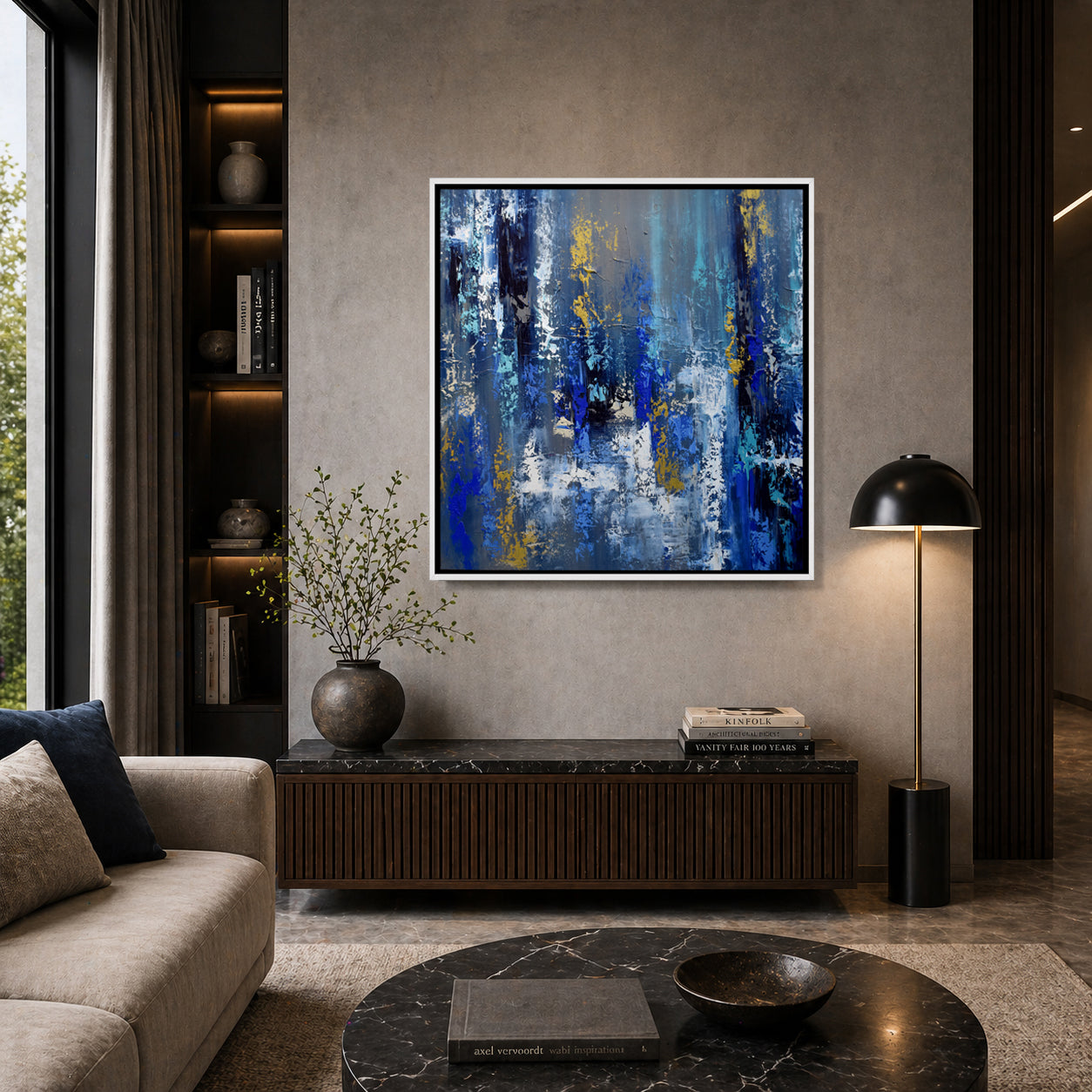
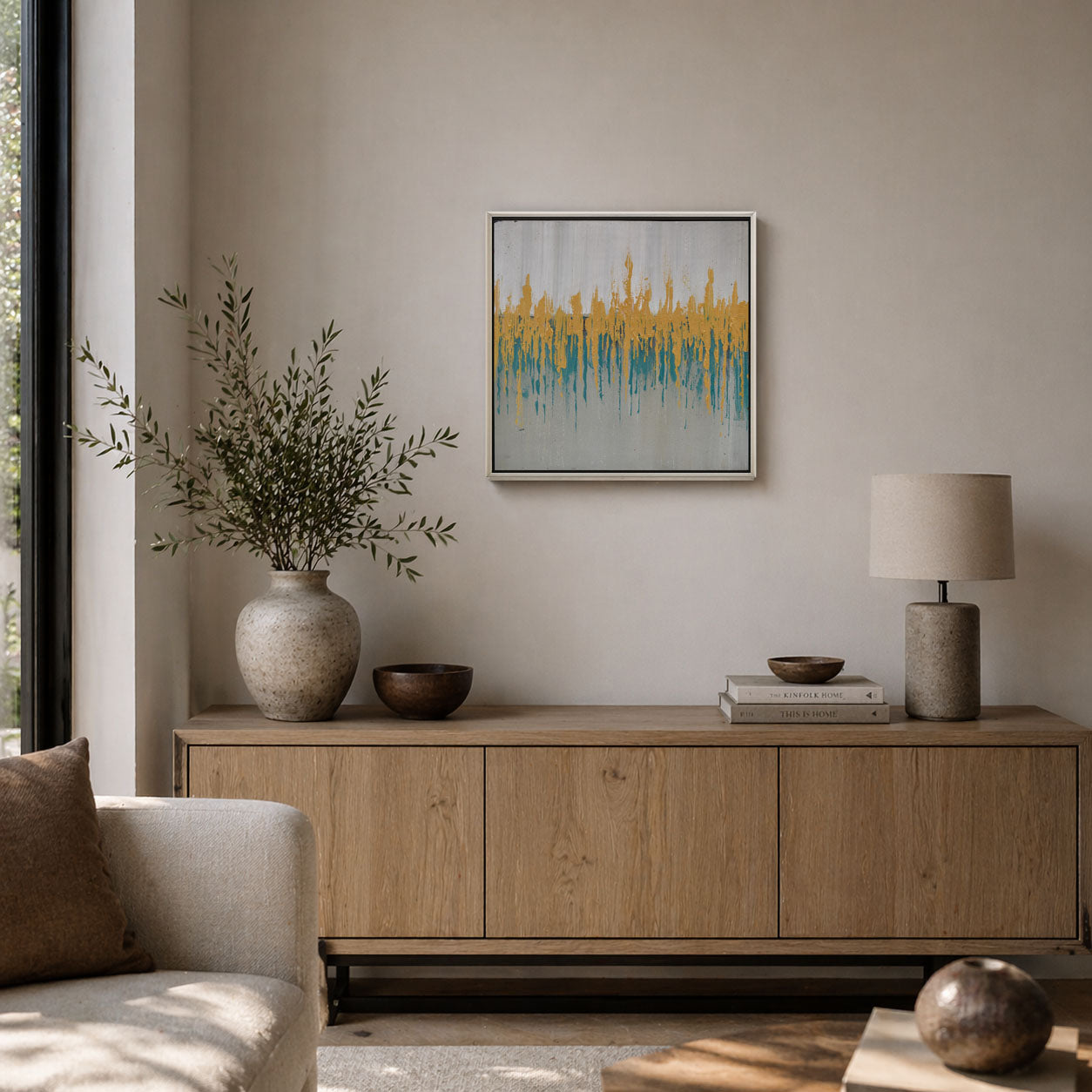
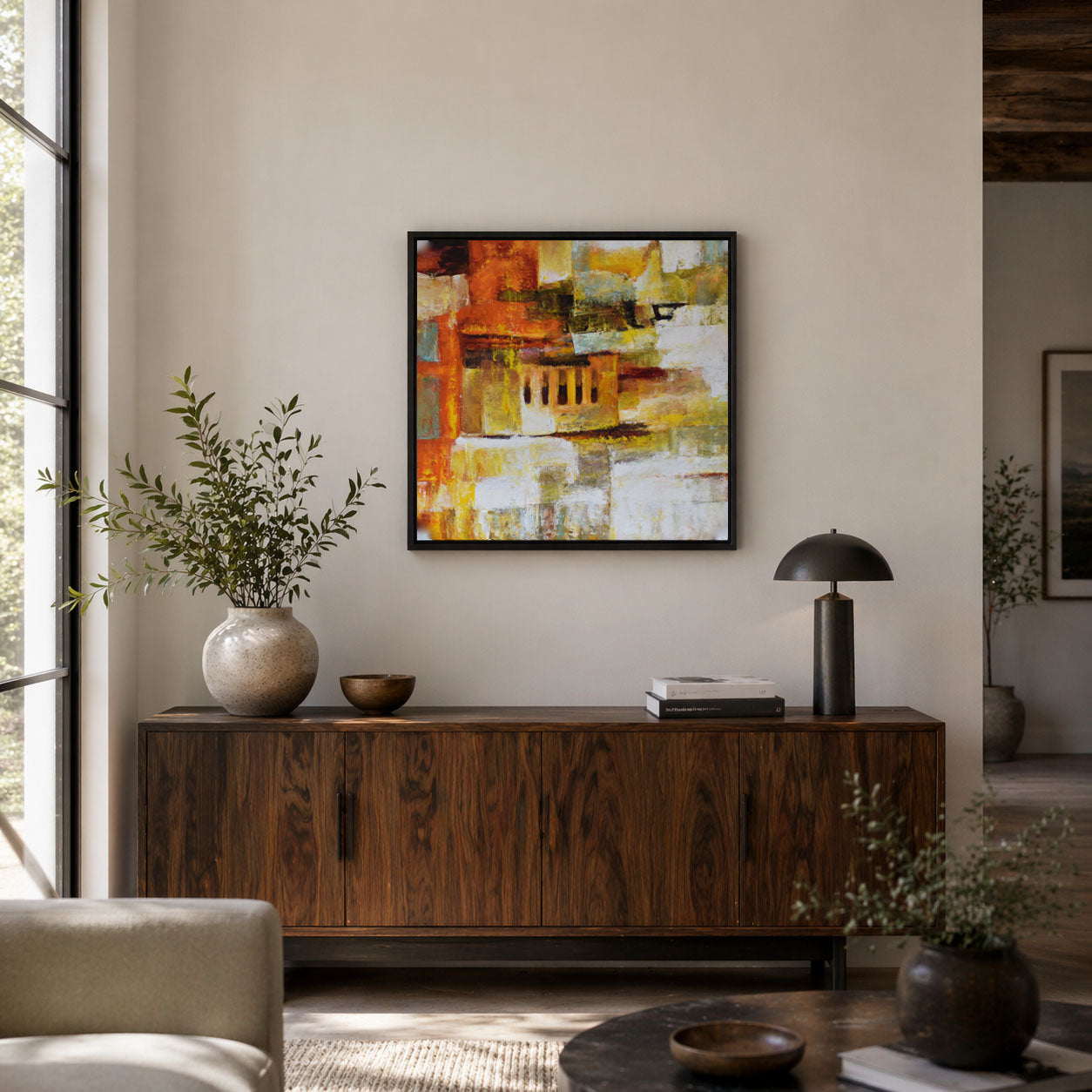
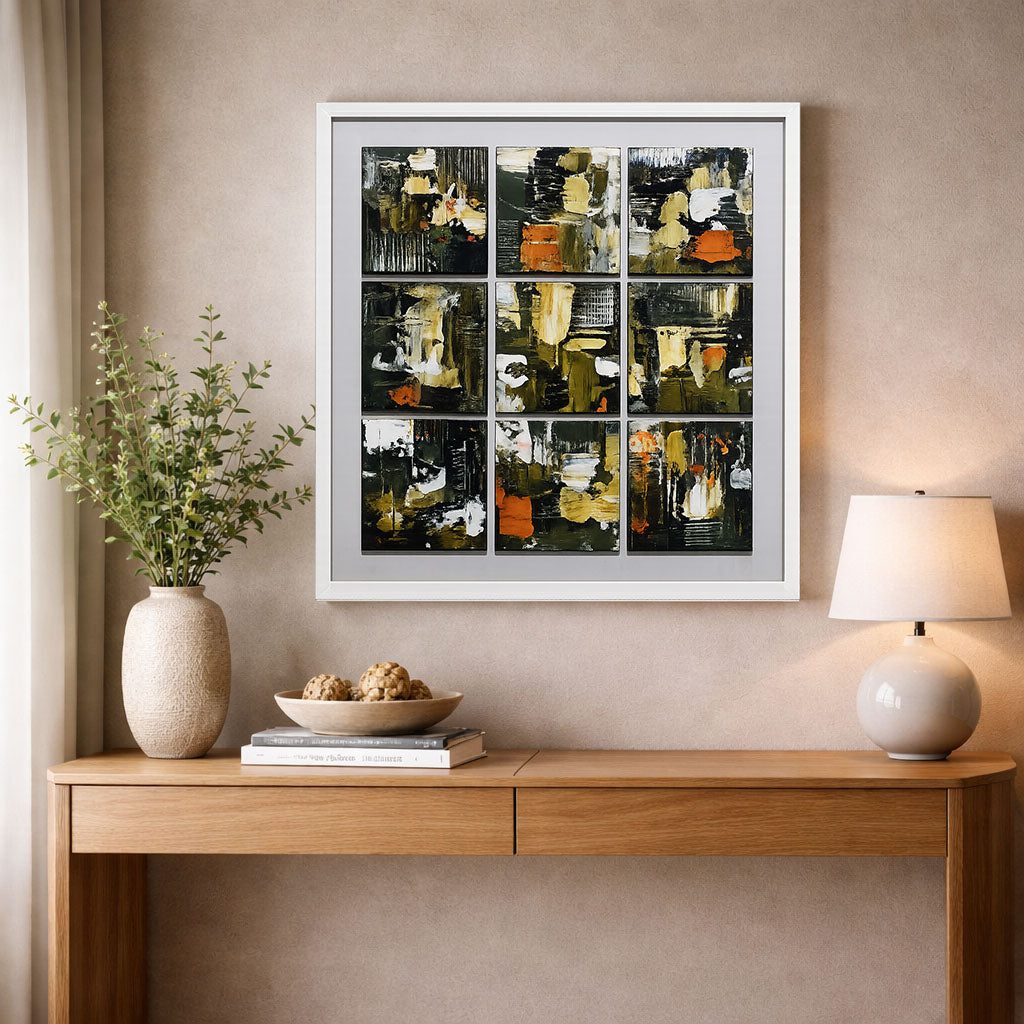
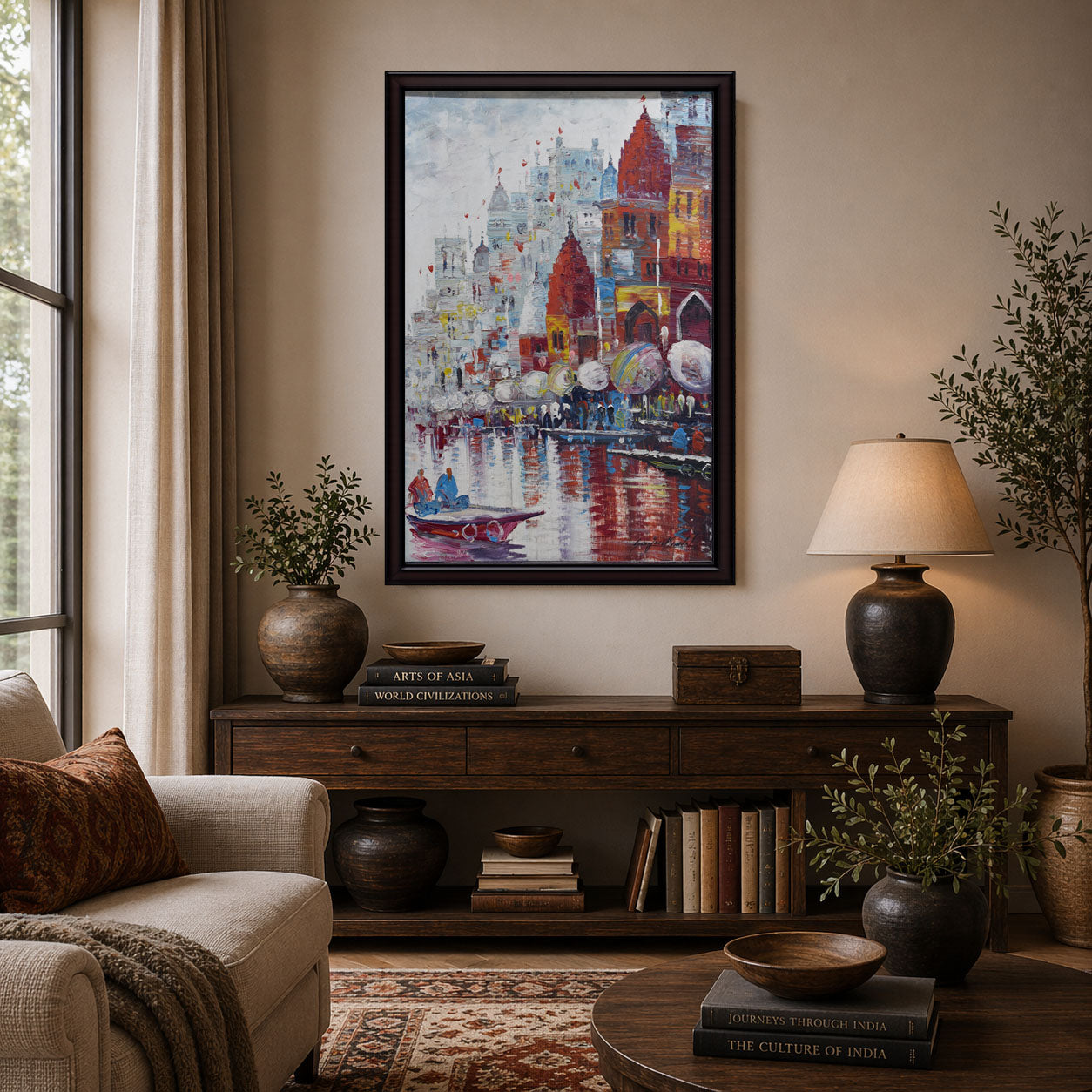
Abstract art has transformed the artistic landscape, moving from representational forms to expressions of emotion and thought through color, shape, and line. This journey began with pioneers like Wassily Kandinsky and has evolved into a diverse array of contemporary styles.
The Birth of Abstract Art: Wassily Kandinsky
Wassily Kandinsky, born in 1866 in Moscow, is often hailed as a founding figure of abstract art. Initially trained in law and economics, Kandinsky shifted to painting in his 30s, influenced by the vibrant colors and folk art of Russia. His move to Germany in 1909 marked a pivotal turn toward abstraction. Kandinsky believed art should evoke emotions beyond the visible, leading to his seminal work, "Concerning the Spiritual in Art" (1911), which laid the theoretical groundwork for abstract art. His paintings, such as "Composition VII" and "Improvisation 28," moved away from recognizable subjects, focusing on the interplay of colors, shapes, and lines.
Expansion in the Early 20th Century
While Kandinsky pioneered abstraction in Germany, other artists across Europe explored similar paths:
- Piet Mondrian and De Stijl Movement: In the Netherlands, Mondrian's neoplasticism reduced art to basic elements—lines, shapes, and primary colors. His grid paintings, like "Composition with Red, Blue, and Yellow," exemplify this style, creating a sense of universal harmony and order.
- Kazimir Malevich and Suprematism: In Russia, Malevich developed Suprematism, focusing on pure geometric shapes and the supremacy of "pure feeling" in art. His work "Black Square" represented a radical departure from all previous art forms.
Abstract Expressionism in America
The 1940s and 1950s saw Abstract Expressionism emerge in the United States, emphasizing spontaneity and emotion:
- Jackson Pollock: Revolutionized art with his drip paintings, emphasizing the process of creation. His work "No. 5, 1948," captures the raw intensity of his emotions.
- Mark Rothko: Known for large fields of color aiming to evoke deep emotional responses, focusing on the viewer's experience rather than depiction.
Contemporary Trends in Abstract Art
Abstract art continues to evolve, embracing new mediums and global influences:
Digital and New Media Art
Artists now employ digital tools to create complex, dynamic works:
- Casey Reas: Co-founder of the Processing programming language, Reas uses algorithms to generate evolving patterns, exploring the intersection of technology and creativity.
- Refik Anadol: Combines data science and art to create immersive installations, such as "Melting Memories" (2018), using brainwave data to generate mesmerizing abstract visuals.
Street and Urban Abstract Art
Abstract art has found expression in street and urban contexts:
- Shepard Fairey: Incorporates abstract elements into his street art, using repetitive patterns and bold typography to merge political messages with abstract aesthetics.
- Futura 2000: A pioneer in abstract graffiti, known for fluid shapes and dynamic compositions, breaking away from traditional graffiti's focus on letters.
Global Influences and Diversity
Contemporary abstract art is enriched by diverse global perspectives:
- Yayoi Kusama: Japanese artist known for immersive installations featuring polka dots and mirrored rooms, exploring themes of infinity and self-obliteration.
- El Anatsui: Ghanaian artist renowned for large-scale sculptures made from recycled materials, combining African aesthetics with contemporary abstract forms.
The Enduring Impact of Abstract Art
Abstract art has profoundly influenced the art world, emphasizing the viewer's experience and democratizing art by breaking away from representational forms. It invites personal interpretation, encouraging exploration of emotions and concepts beyond the tangible. As abstract art continues to evolve, it remains a powerful medium for expressing the intangible aspects of human experience.
At The Art Warehouse, we celebrate this rich history by offering a curated selection of handmade abstract artworks that embody these diverse styles and movements. Explore our collection to find pieces that resonate with your aesthetic and bring the transformative power of abstract art into your space.