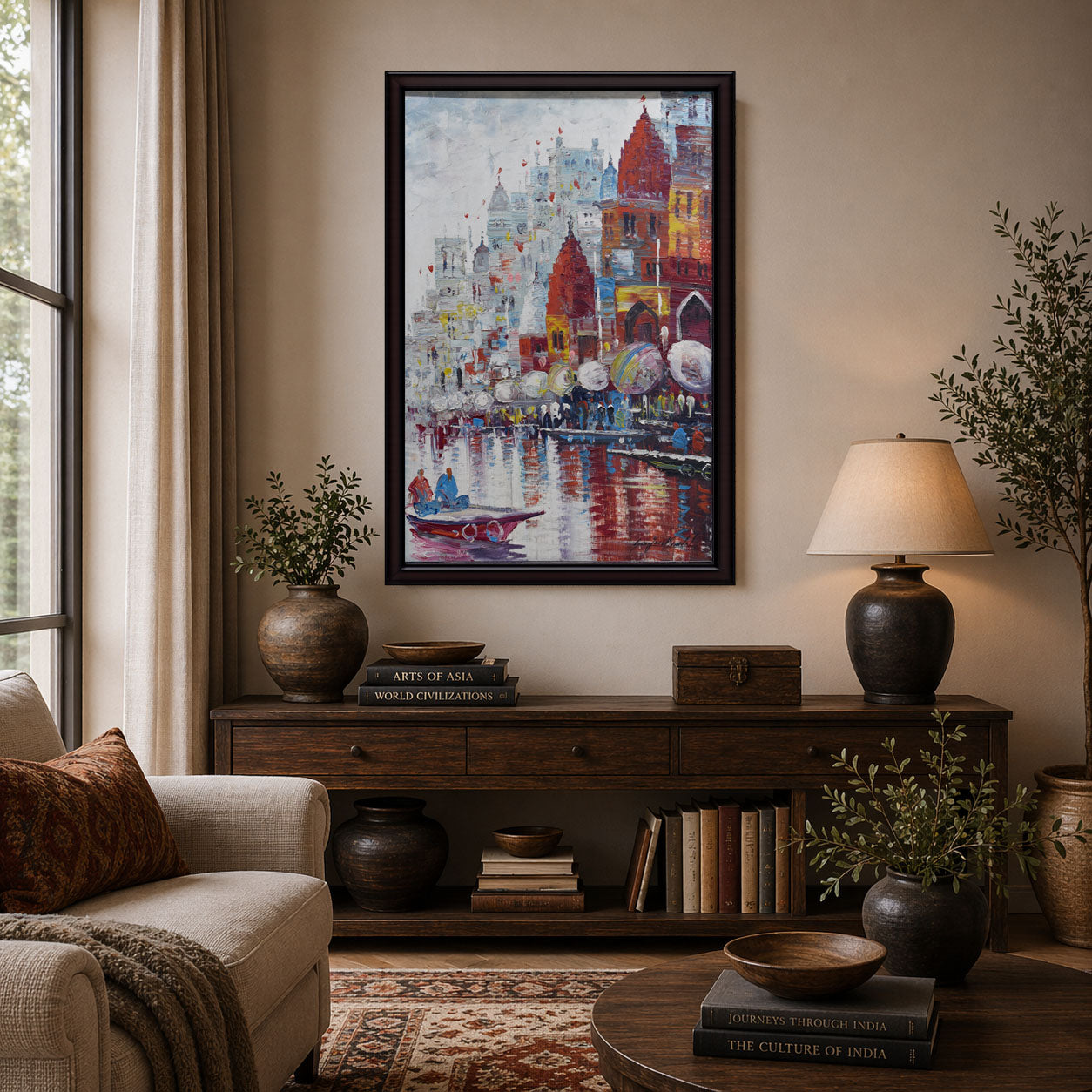
Figurative Art Explained: Bridging the Gap Between Reality and Imagination
What is Figurative Art?
Figurative art is one of the most timeless forms of creative expression. At its core, it represents real-world subjects—people, places, and things—but often with a twist. Unlike pure realism, figurative art allows artists to stretch their imagination, adding emotion, style, and interpretation to familiar forms.
So while the shapes may resemble real life, the feeling they evoke can be dreamlike, symbolic, or abstract.
“Figurative art isn't just about what you see—it’s about how you feel when you see it.”
A Quick Look at Figurative Art's History
Figurative art has been around for thousands of years—from cave paintings to Renaissance masterpieces. But over time, it evolved. Artists began experimenting with how they showed the human figure or a landscape—not just recreating it, but reimagining it.
In the 20th century, figurative artists like Lucian Freud and Francis Bacon blurred the lines between realism and expressionism, adding raw emotion and distortion.
Today, figurative art still thrives—especially in the handmade art world, where every brushstroke reflects a real artist's imagination.
Why Figurative Art Works in Modern Interiors
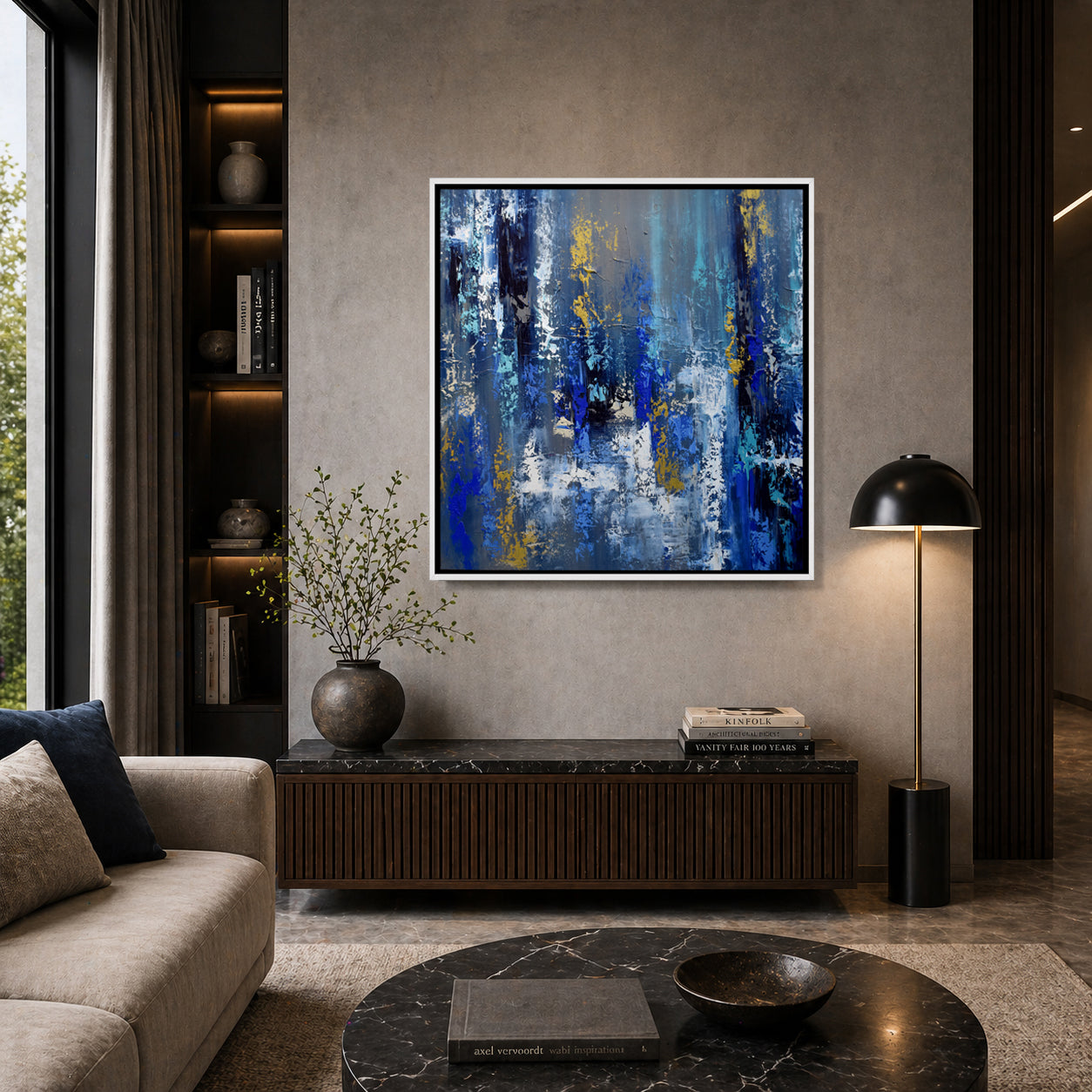
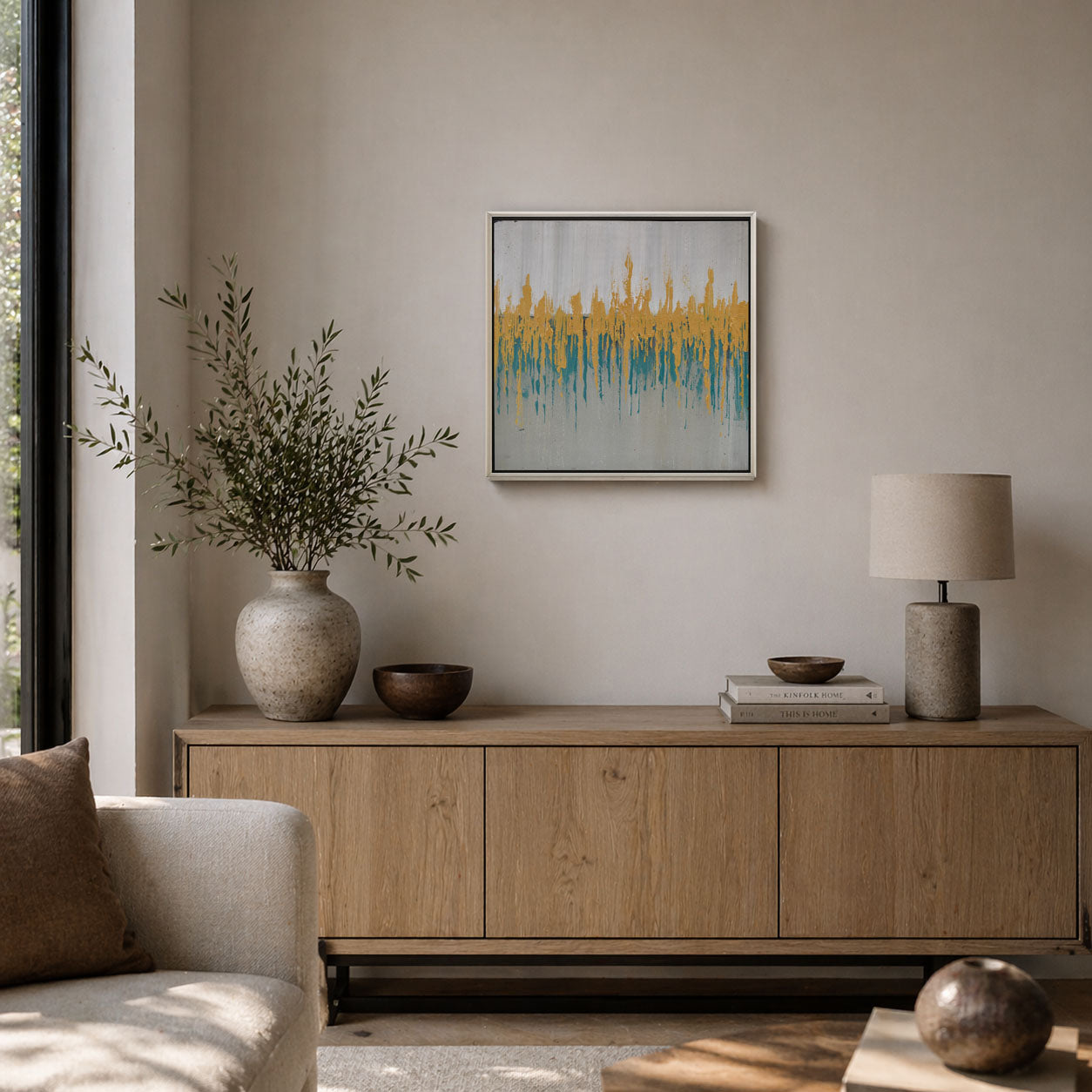
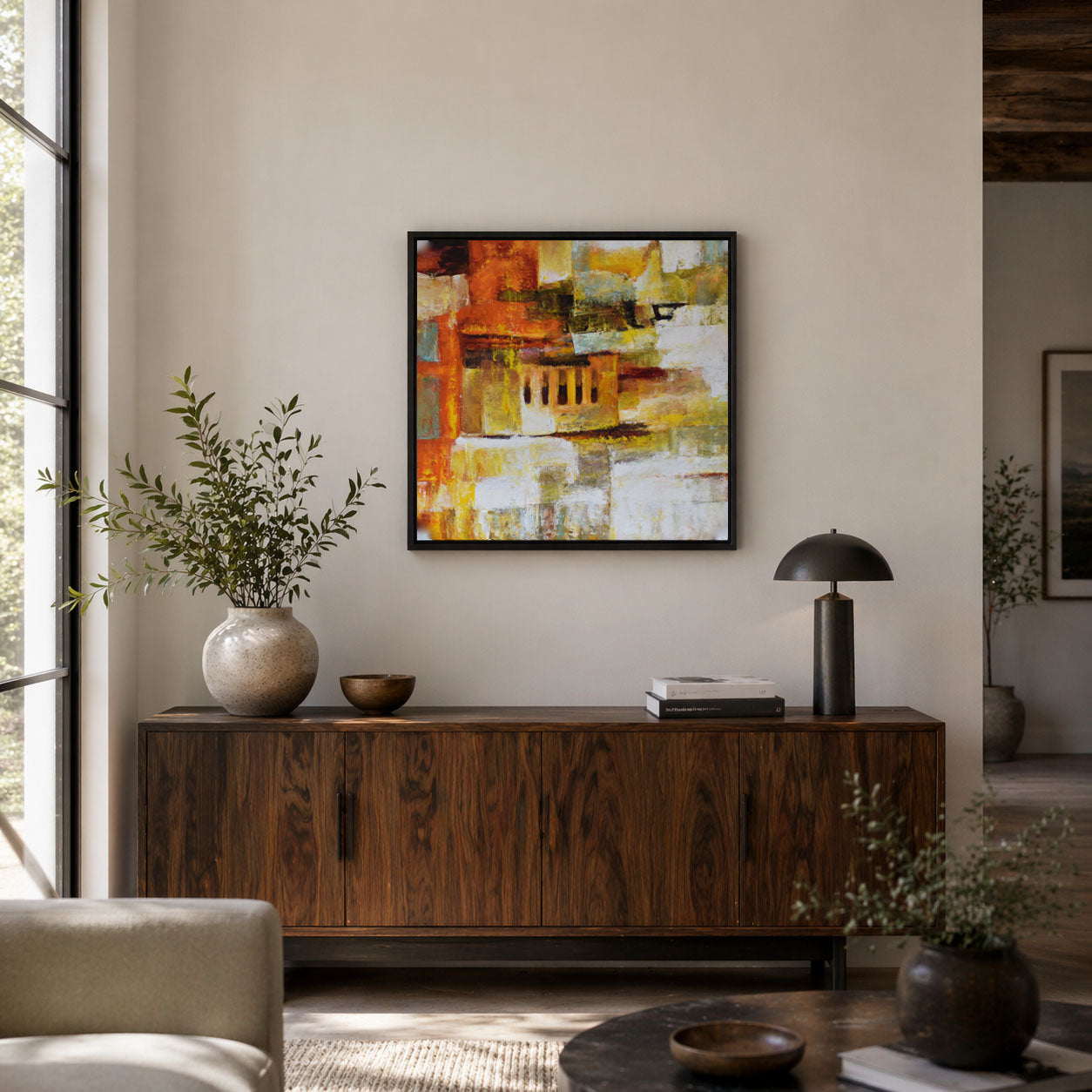
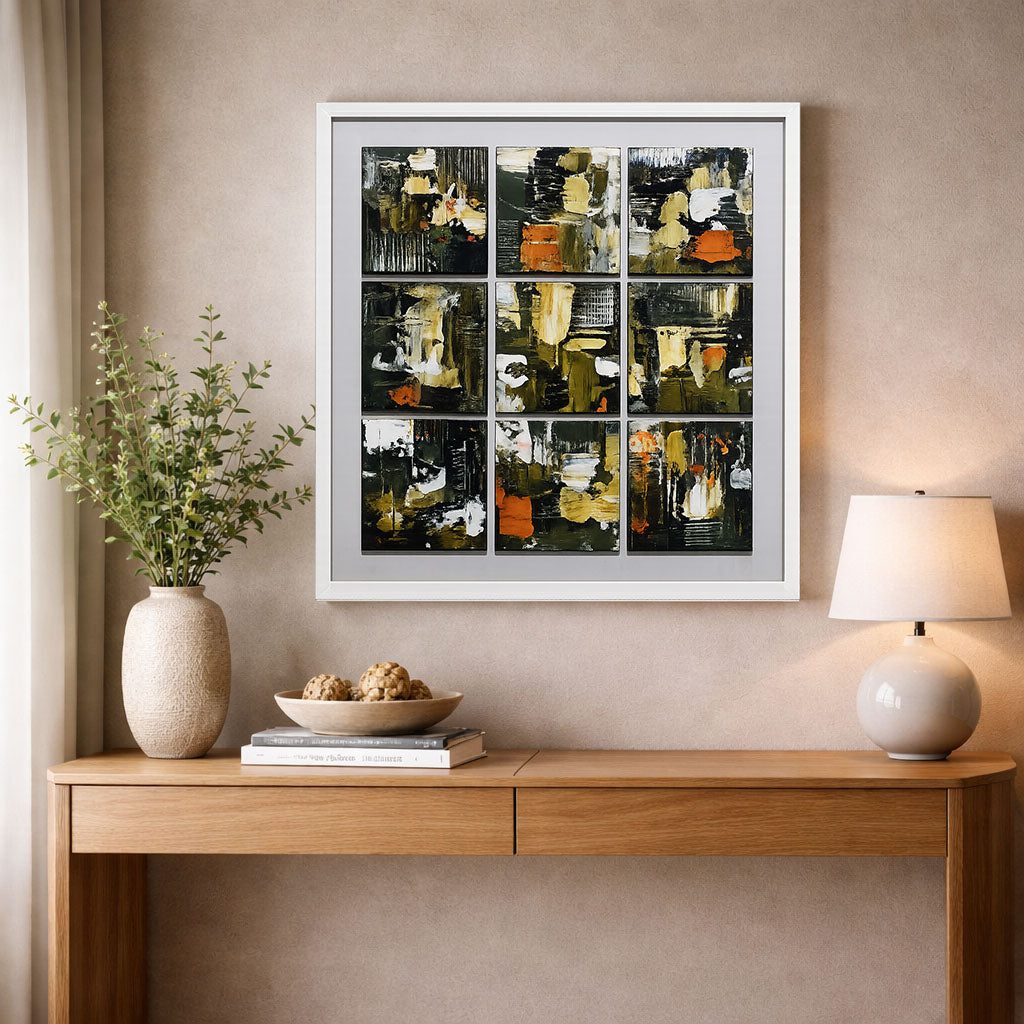
In home décor, figurative art creates a strong emotional connection. It brings both familiarity and intrigue to a room. Whether you're decorating a minimalist loft or a cozy living room, figurative artwork can anchor a space with personality.
Benefits of Choosing Figurative Art for Your Space:
- Recognizable subjects with artistic flair.
- Adds depth and conversation to walls.
- Easily pairs with abstract, modern, or vintage interiors.
- Offers a bridge between realism and fantasy.
🎨 Looking to add emotion to your walls? Explore our Figurative Collection
Figurative vs Abstract Art: What's the Difference?
At The Art Warehouse, we offer both figurative and abstract handmade art, and customers often ask how they differ.
|
Figurative Art |
Abstract Art |
|
Depicts real-life objects or figures |
Focuses on color, shape, and form |
|
Easier to “read” at first glance |
Open to interpretation |
|
Emotional and expressive |
Conceptual and atmospheric |
👁 Want to blend both? Check out our Mixed-Style Artworks
Styles of Figurative Art We Love
Every artist has their own way of expressing figurative elements. Here are a few popular handmade styles you’ll find at The Art Warehouse:
1. Minimal Line Portraits
- Clean, bold, and elegant.
- Ideal for modern, Scandinavian interiors.
2. Expressive Brushwork
- Loose, emotional strokes.
- Captures movement and mood more than detail.
3. Dreamlike Figures
- Soft, ethereal vibes.
- Perfect for calming, serene spaces like bedrooms or reading nooks.
🖼️ Looking for something custom? Learn how we create made-to-order artworks
Image Ideas (with Alt Text for SEO)
-
Modern Figurative Line Art on White Wall
Alt: Handmade minimal figurative art hanging in a living room -
Woman’s Portrait in Bold Strokes
Alt: Expressive handmade figurative painting with abstract background -
Artist Painting Human Figure in Studio
Alt: Artist hand-painting figurative artwork in studio setting
Final Thoughts: Art That Feels Real (But Isn’t)
Figurative art gives you the best of both worlds—it connects you to the familiar, while leaving space for emotion, imagination, and interpretation. Whether you love a bold portrait or a soft silhouette, there’s a piece waiting to speak to you.
✨ At The Art Warehouse, we specialize in handmade figurative artworks that bring depth, soul, and uniqueness into your space.
👉 Ready to explore? Browse our figurative art collection today